
Indoor vs Outdoor Padel Courts: Which Is Better?
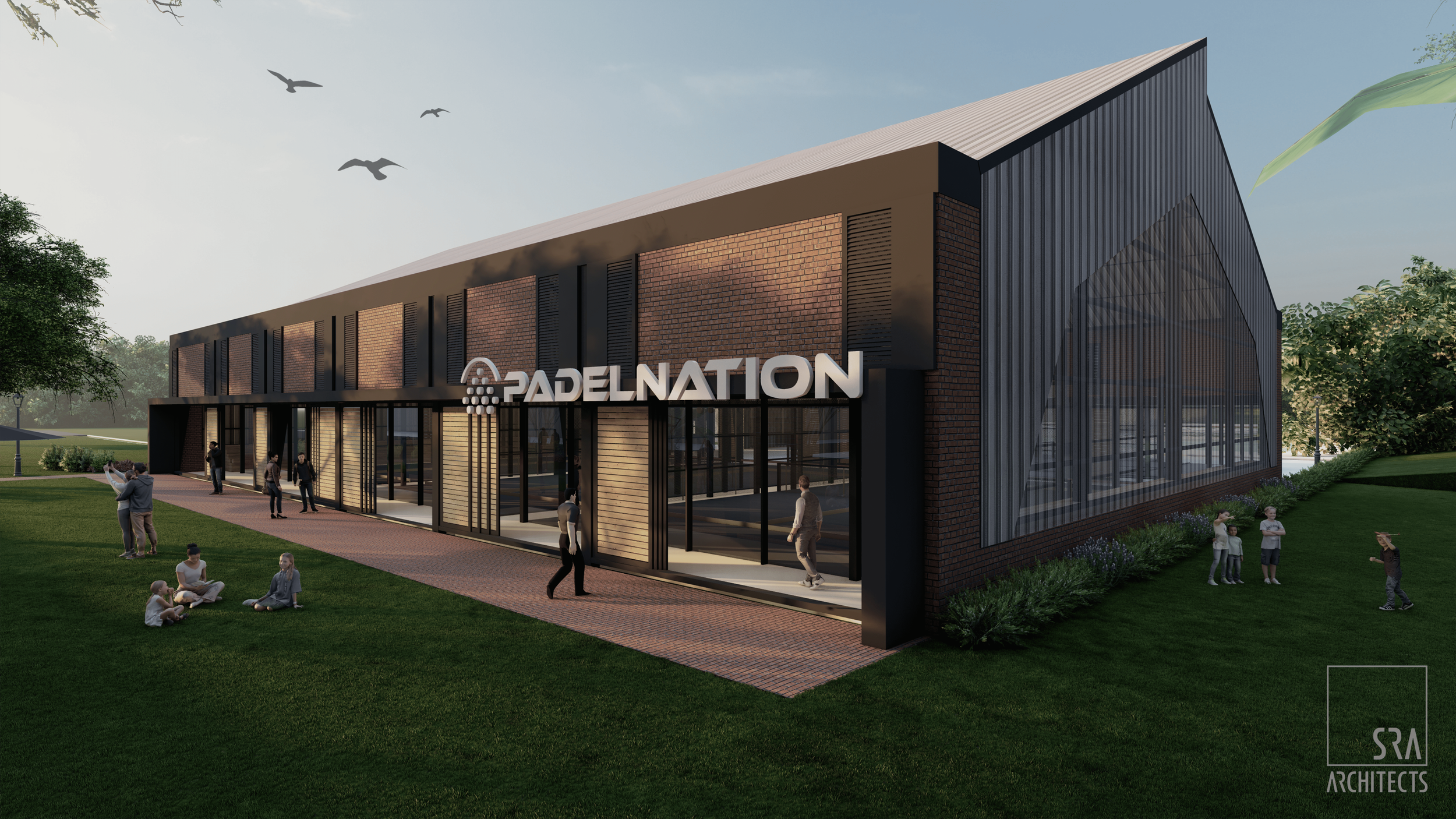
Indoor padel court concept for PadelNation Umhlanga Country Club.
Padel has taken South Africa by storm, with clubs popping up in cities like Johannesburg, Cape Town, and Durban. As the sport grows, players are increasingly asking an important question: *should I play on an indoor or outdoor padel court?
While both options offer an exciting and social playing experience, there are key differences that can affect everything from your performance to your enjoyment of the game. Whether you’re a beginner or a seasoned player, understanding the pros and cons of indoor vs outdoor padel courts can help you choose the best environment for your needs.
What Is the Difference Between Indoor and Outdoor Padel Courts?
At a basic level, the difference is straightforward:
Indoor padel courts are enclosed within a structure, protecting players from external weather conditions.
Outdoor padel courts are built in open-air environments, exposed to the elements.
However, the impact of this difference goes far beyond just a roof overhead. It influences gameplay, comfort, maintenance, and even the overall vibe of the match.
The Rise of Padel in South Africa
Before diving into the comparison, it’s worth noting how quickly padel has grown locally. With the rise of padel courts in South Africa, developers and clubs are now deciding whether to invest in indoor facilities, outdoor courts, or a combination of both.
Climate plays a big role here. South Africa’s generally warm weather makes outdoor padel courts a popular and cost-effective choice. However, indoor courts are gaining traction, especially in areas with unpredictable weather or high-end facilities.
Advantages of Indoor Padel Courts
1. Weather-Proof Play
One of the biggest benefits of indoor padel courts is protection from the elements. Rain, wind, and harsh sun won’t interrupt your game.
In cities like Durban, where humidity and sudden rain showers can be a factor, indoor courts offer consistent playing conditions year-round.
2. Consistent Playing Conditions
Indoor courts provide:
No wind interference
Stable ball trajectory
Predictable bounce
This consistency is especially beneficial for competitive players who want to refine their technique.
3. Enhanced Player Comfort
Playing indoors often means:
Controlled temperature (in premium facilities)
No glare from the sun
Reduced fatigue from heat exposure
For longer matches or tournaments, this can make a significant difference.
4. Extended Playing Hours
Indoor facilities can operate regardless of daylight. While outdoor courts rely on lighting systems, indoor venues often provide a more uniform and comfortable lighting experience.
Disadvantages of Indoor Padel Courts
1. Higher Costs
Indoor padel courts are more expensive to build and maintain. This often translates into higher booking fees for players.
2. Limited Availability
In South Africa, outdoor courts are still more common, meaning indoor options may be limited depending on your location.
3. Less “Social Atmosphere”
Padel is known for its vibrant, social culture. Outdoor courts often feel more relaxed and communal, while indoor venues can sometimes feel more structured or formal.
Advantages of Outdoor Padel Courts
1. Natural Playing Experience
There’s something special about playing padel outdoors:
Fresh air
Natural light
Scenic surroundings
This contributes to the sport’s appeal as a social and lifestyle activity.
2. Lower Costs
Outdoor courts are generally cheaper to construct and maintain. As a result, they are more accessible and affordable for players.
This affordability has helped drive the growth of padel clubs in South Africa, making the sport more inclusive.
3. Social and Community Feel
Outdoor venues often create a lively atmosphere. Players can watch matches, socialise between games, and enjoy a more relaxed environment.
This is a major reason why many people fall in love with padel.
4. Ideal for South African Climate
With plenty of sunshine throughout the year, outdoor padel courts in South Africa are practical and widely used. Many players prefer soaking up the sun while enjoying a match.
Disadvantages of Outdoor Padel Courts
1. Weather Dependency
Outdoor courts are at the mercy of the weather:
Wind can affect ball movement
Rain can cancel matches
Extreme heat can impact performance
In coastal areas like Durban or Cape Town, wind can be a significant factor in gameplay.
2. Inconsistent Playing Conditions
Unlike indoor courts, outdoor environments introduce variables that can affect the game. This can be frustrating for players trying to improve their consistency.
3. Sun and Glare
Playing under direct sunlight can:
Make it harder to track the ball
Cause fatigue
Increase the risk of sunburn
This is particularly relevant in South Africa’s strong summer sun.
Indoor vs Outdoor Padel Courts: Key Differences
| Feature | Indoor Padel Courts | Outdoor Padel Courts |
|---|---|---|
| Weather Impact | None | High |
| Playing Consistency | Very high | Variable |
| Cost | Higher | Lower |
| Atmosphere | Controlled | Social & lively |
| Availability in SA | Growing | Widely available |
| Comfort | High | Depends on weather |
Which Is Better for Beginners?
For beginners, outdoor padel courts are often the better starting point. They are more accessible, more affordable, and offer a relaxed environment to learn the game.
However, indoor courts can be helpful for:
Learning proper technique
Practising without wind interference
Building confidence in controlled conditions
Which Is Better for Competitive Players?
Competitive players often prefer indoor padel courts because of the consistency they offer.
When every shot matters, removing variables like wind and sun allows players to focus purely on skill and strategy.
That said, serious players should train in both environments. Tournaments can be held outdoors, so adapting to different conditions is essential.
What Do South African Players Prefer?
In South Africa, the preference often comes down to lifestyle and location:
Outdoor courts dominate due to cost and climate.
Indoor courts are growing in premium clubs and urban areas.
Many clubs are now adopting a hybrid model, offering both indoor and outdoor options to cater to different preferences.
The Future of Padel Courts in South Africa
As the sport continues to expand, we’re likely to see:
More indoor padel facilities in major cities.
Advanced court technology for both indoor and outdoor setups.
Increased demand for all-weather playing options.
Developers are also exploring semi-covered courts, which provide some protection while maintaining an outdoor feel.
Final Thoughts: Indoor or Outdoor – Which Should You Choose?
There’s no one-size-fits-all answer when it comes to indoor vs outdoor padel courts. The best choice depends on your priorities:
Choose indoor padel courts if you value consistency, comfort, and uninterrupted play.
Choose outdoor padel courts if you enjoy a social atmosphere, lower costs, and playing in natural surroundings.
For most players, the ideal solution is simple: play both.
Experiencing different environments will not only improve your game but also deepen your appreciation for one of the fastest-growing sports in South Africa.