
Classic vs Panoramic Padel Courts: Which Should You Choose?
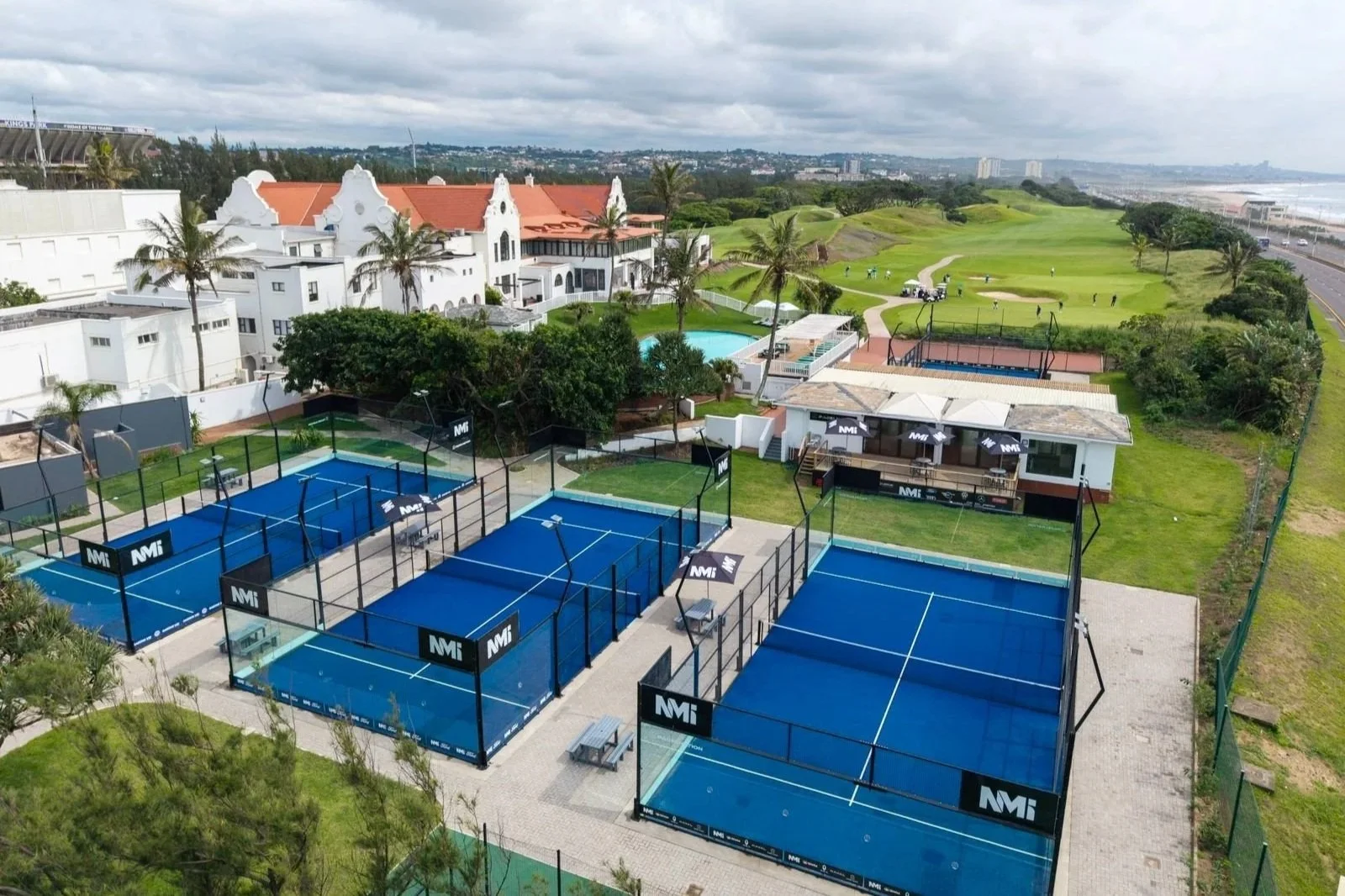
If you're planning to build a padel court, one of the first decisions you'll face is choosing between a classic padel court and a panoramic padel court. While both offer the same playing experience at their core, the differences in design, structure and visibility can influence which option is best for your facility.
Whether you're developing a commercial padel club, adding courts to a residential estate or investing in a private court, understanding these differences can help you make the right choice.
So, what exactly sets classic and panoramic padel courts apart, and which one should you choose?
What Is a Classic Padel Court?
A classic padel court, also known as a standard padel court, features a steel framework with vertical support posts positioned around the glass panels. These posts form part of the court's structural design, creating a traditional look commonly seen at padel facilities.
Classic courts are widely used at sports clubs, schools, residential estates and commercial padel facilities.
One of the main advantages of a classic padel court is its practical design. The additional structural posts provide support to the glass enclosure, making it a popular choice for developments where functionality, durability and budget are important considerations.
Key benefits of classic padel courts include:
- Generally more affordable than panoramic court designs.
- A traditional, practical court structure.
- Suitable for indoor and outdoor installations.
- Ideal for schools, residential estates, sports facilities and commercial clubs.
- The same official playing dimensions as panoramic courts.
For developers looking for a reliable and cost-effective padel court solution, the classic design is worth considering.
What Is a Panoramic Padel Court?
A panoramic padel court is designed to provide a more open, uninterrupted view of the playing area. Unlike classic courts, panoramic designs reduce or eliminate the vertical support posts between the main glass panels, creating a cleaner, more modern appearance.
This makes panoramic padel courts particularly popular at commercial padel clubs, high-end residential developments and venues hosting tournaments or corporate events.
The open glass design allows spectators to follow the action more easily, while also making the court visually appealing for photography, video content and live broadcasts.
Key benefits of panoramic padel courts include:
- Uninterrupted views through the main glass panels.
- A modern, streamlined appearance.
- Improved visibility for spectators.
- Ideal for tournaments, events and video recording.
- A popular choice for commercial clubs and lifestyle developments.
For facilities where presentation and spectator experience are priorities, panoramic courts offer a distinct advantage.
Classic vs Panoramic Padel Courts: What's the Difference?
Although both court types follow the same padel court dimensions and rules, their structural designs create a few important differences.
Structure and Appearance
Classic padel courts feature vertical steel posts between the glass panels, giving them a more traditional, structured appearance. Panoramic courts have fewer support posts, creating a cleaner, more modern design.
Visibility
Panoramic padel courts offer clearer, less obstructed views of the playing area, making them particularly suitable for spectators and tournaments. Classic courts provide good visibility, although the steel posts can partially interrupt the view.
Cost
Classic padel courts generally have a lower initial construction cost, making them a more budget-friendly option. Panoramic courts typically require a higher investment due to their specialised structural design.
Gameplay
Both court types offer the same standard playing experience, with identical dimensions and rules. The main differences are in the court's structure and appearance rather than the game itself.
Best Suited For
Classic courts are ideal for schools, residential estates and sports clubs looking for a practical, cost-effective solution. Panoramic courts are popular for commercial padel clubs, tournaments and facilities where appearance and spectator experience are priorities.
The biggest distinction is the court structure and visibility, rather than the actual game being played.
Does the Court Design Affect Gameplay?
A common question when comparing classic and panoramic padel courts is whether one provides a better playing experience than the other.
The short answer is that both courts are designed for the same game.
A standard doubles padel court measures 20 metres long and 10 metres wide, regardless of whether it is classic or panoramic. Both designs use glass walls, mesh fencing and artificial turf surfaces, with the same fundamental playing rules.
However, there are some subtle differences worth considering.
On a classic court, the vertical support posts can be more noticeable in a player's peripheral vision. Panoramic courts offer a cleaner visual environment, particularly around the back glass, which some players may prefer.
Ultimately, factors such as artificial turf quality, lighting, glass installation and court maintenance have a greater influence on the playing experience than the choice between classic and panoramic structures.
Which Padel Court Is More Affordable?
For anyone researching the cost of building a padel court in South Africa, the difference in price between classic and panoramic designs is an important consideration.
Classic padel courts are generally the more affordable option due to their conventional steel framework and construction requirements.
Panoramic padel courts typically involve a higher initial investment because their design requires structural engineering that supports larger, less obstructed glass sections.
However, the final padel court construction cost depends on several factors, including:
- Court design and specifications.
- Ground preparation and foundations.
- Indoor or outdoor installation.
- Artificial turf and lighting.
- Site accessibility and installation requirements.
- Additional infrastructure such as roofing and drainage.
Rather than focusing on the court price alone, it's worth considering how each design fits into your overall development budget and long-term plans.
Which Court Is Better for Commercial Padel Clubs?
If you're planning to open a padel club in South Africa, both classic and panoramic courts can work well. The right choice depends on your target market and the type of facility you want to create.
Classic padel courts are a practical option for clubs looking to maximise the number of courts within a set development budget. They provide a quality playing environment without the additional investment associated with panoramic designs.
Panoramic padel courts, on the other hand, can enhance the overall appearance of a commercial facility. Their open design makes them particularly attractive for clubs hosting tournaments, corporate events and spectator-focused activities.
Some padel clubs choose to combine both designs, installing classic courts for everyday bookings and a panoramic championship court for tournaments and featured matches.
This approach allows operators to balance construction costs with the visual appeal of their facility.
Are Panoramic Courts Better for Tournaments?
Panoramic padel courts are often preferred for tournaments and competitive events because of their improved spectator visibility.
With fewer structural posts obstructing the glass, spectators can follow rallies more easily from outside the court.
The design also benefits photography, social media content and live streaming, where clear views of the playing area are particularly valuable.
However, this doesn't mean classic courts cannot be used for tournaments. Both court types can accommodate competitive matches, provided they meet the relevant technical and competition requirements.
For clubs planning to host regular tournaments or attract sponsors, a panoramic court may offer additional value through its presentation and viewing experience.
Which Padel Court Is Best for South African Conditions?
When building a padel court in South Africa, choosing the right court design is only one part of the decision.
Local environmental conditions, including coastal humidity, wind exposure and temperature changes, should also be considered during the planning process.
Both classic and panoramic padel courts can be engineered for outdoor use, but their structural requirements may differ depending on the installation location.
At PadelNation, our courts are locally manufactured in KwaZulu-Natal and engineered for African conditions. Our manufacturing process includes hot-dip galvanising and powder coating to help protect steel structures against corrosion.
Whether you're building in Durban, Cape Town, Johannesburg or elsewhere in Southern Africa, choosing a court manufacturer that understands local conditions is essential for long-term durability.
Classic or Panoramic: Which Should You Choose?
There isn't one design that's right for every development.
If your priority is keeping construction costs manageable while providing a quality playing experience, a classic padel court could be the ideal choice.
If you're looking to create a modern facility with clear spectator views and a strong visual presence, a panoramic padel court may be better suited to your project.
It's also worth considering who will be using your courts. A school or residential estate may have different requirements from a commercial padel club planning to host regular competitions.
The most important thing is choosing a court that suits your location, budget and long-term goals.
Build Your Padel Court with PadelNation
Whether you're considering a classic or panoramic padel court, choosing the right manufacturer is just as important as choosing the design.
PadelNation specialises in the design, manufacture and installation of padel courts across Southern Africa. With locally manufactured courts, engineer-certified structures, a comprehensive 10-year warranty and dedicated after-sales support, we help bring padel developments to life.
Planning to build a padel court? Contact PadelNation to discuss your project and find the right court solution for your facility.
Email: info@padelnation.co.za
Website: www.padelnation.co.za